Investing in a new heating and cooling system is a major step toward making your home more comfortable. You expect the air to be crisp, the heater to be quiet, and your energy bills to stay manageable. However, the quality of the installation matters just as much as the brand of the unit you bought. Even the most expensive system can struggle if it isn't set up according to the right technical standards.
Unusual Noises and Strange Smells
When your AC or heater is brand new, it should run fairly quietly. While you might hear a gentle hum or the sound of air moving, you shouldn’t hear anything that sounds like a struggle. If you notice loud banging, shrieking, or whistling, it usually means something was left loose or the ductwork wasn't connected properly. These sounds are often the first hint that the internal components are under too much stress.
Smells are another major indicator that something went wrong during setup. A burning smell that persists after the first few minutes of use could indicate a problem with the electrical wiring. Similarly, a musty or damp odor might suggest that the drainage system wasn't installed at the correct angle, allowing water to pool and mold to grow.
Watch out for these specific sensory red flags after a new installation:
- Hissing sounds that often point to a leak in the refrigerant lines.
- Rattling or clanking that suggests loose bolts or an imbalance in the blower fan.
- Thumping when the system shuts off, which can mean the motor is misaligned.
- Sulfur or "rotten egg" smells that indicate a dangerous gas leak in heating systems.
Uneven Temperatures and Poor Airflow
A properly installed system should distribute air evenly throughout your entire home. If you find that your bedroom is freezing while the living room feels stuffy, the system might not be balanced correctly. This often happens when the person installing the unit doesn't take the time to calculate the specific airflow needs of each room. It can also happen if the ductwork is the wrong size for the new unit's power level.
Sometimes, you might feel very little air coming out of the vents at all. This "weak" airflow makes the system work twice as hard to reach the temperature you set on the thermostat. Over time, this extra effort wears out the parts much faster than normal. It is important to check every room in the house to ensure the climate feels consistent from corner to corner.
Frequent Cycling and High Energy Bills
You might notice your AC turning on for three minutes, shutting off, and then turning back on again almost immediately. This is called short-cycling. While it might seem like the system is just being efficient, it is actually a sign that the unit is likely too large for your home. When a system is oversized, it cools the air so fast that it shuts down before it can actually remove the humidity from the air.
This constant starting and stopping uses a massive amount of electricity. If your first energy bill after a new installation is higher than your old one, that is a major warning sign. A new, modern system should be more efficient and save you money, not cost you more.
Common efficiency issues caused by bad installations include:
- Thermostats placed too close to heat sources, causing them to read temperatures incorrectly.
- Leaky ducts that allow conditioned air to escape into your attic or crawlspace.
- Refrigerant levels that are too high or too low, forcing the compressor to overwork.
Visible Installation Red Flags
Sometimes you can spot a bad job just by looking at the equipment. A professional technician takes pride in their work, which means the wiring should be neat and the pipes should be well-insulated. If you see wires hanging out or messy tape jobs on the ducts, it is likely that the unseen parts of the installation were also rushed.
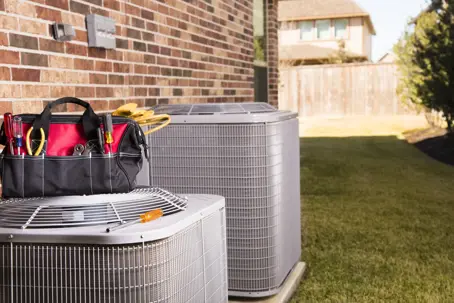
The outdoor unit needs to be perfectly level to keep the oil inside the compressor distributed properly. If the pad underneath is tilted, the unit will vibrate more and eventually fail. You should also look for puddles of water around the indoor unit, which means the condensate drain line is clogged or wasn't primed correctly.
Putting Your Peace of Mind First
Identifying these warning signs early can save you from expensive repairs and high utility costs down the road. A poorly installed system doesn't just waste energy; it can shorten your equipment's lifespan by several years. Ensuring that every connection is tight, every level is straight, and every measurement is accurate is the only way to get the true value out of your investment.
If you suspect your system wasn't set up correctly, Brozwood provides a thorough assessment through our air conditioning repair and heating repair services. We can perform a detailed inspection to find hidden flaws, offering honest assessments and second opinions to help you get the performance you were promised. Our team focuses on doing the job right the first time, providing the technical corrections needed for indoor air quality and long-term system health.
If your new AC is making strange noises or your energy bills are skyrocketing, don't wait for a total breakdown. Contact us today for a free second opinion and get the honest answers you deserve. Book a schedule here or call us at (385) 396-7105.